 Water is part of everyone’s daily routine, whether at home, at work, or while travelling. Most people take extra care about the water they drink at home, but in public and workplace settings, water is often consumed without much thought about where it comes from or how clean it is. Offices, schools, hospitals, factories, markets, transport terminals, and construction areas all depend on shared water supplies.
When the quality of this shared water is poor, the impact is not limited to one person — it affects many people at the same time.
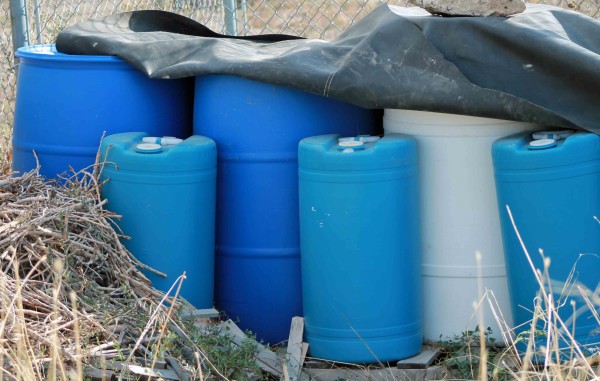
One of the main reasons water becomes unsafe is improper storage. In many buildings, water is stored in overhead tanks that are exposed to dust, bird droppings, insects, and environmental pollution. If covers are loose or damaged, unwanted particles can easily enter. Over time, sediment builds up inside the tank. As water passes through ageing pipelines, rust and other contaminants may mix into the supply.
Even water that starts out clean can become unsafe before it reaches the drinking point.
It is a common belief that water is safe if it looks clear and does not have a strange smell. Unfortunately, many harmful microorganisms and chemical substances cannot be detected by sight or taste. These invisible threats can enter the body through daily consumption and may lead to repeated illness, which people often fail to link back to the water they drink.
Digestive problems are among the first signs of unsafe water intake. Frequent stomach upsets, fever, nausea, and weakness are commonly reported. Children and older adults tend to experience symptoms more quickly because their immune systems are less resilient.
In more serious situations, contaminated water can also contribute to illnesses such as typhoid and liver infections, which may require extended medical care and recovery time.
The effects of unsafe water are not limited to physical health alone. In workplaces, repeated illness can reduce productivity and increase financial strain for workers who depend on daily wages. Students who fall sick often may struggle to keep up with studies.
In medical facilities, where patients are already vulnerable, water quality becomes even more critical, as additional infections can slow down recovery and complicate treatment.
Become a Medium member
Another concern that often goes unnoticed is long-term exposure to unhealthy water. In certain regions, water may contain excessive mineral content or traces of harmful metals.
Continuous consumption over several years can affect internal organs such as the kidneys and may also weaken bone strength. These problems develop gradually, making it difficult to identify the true source until noticeable damage has already occurred.
Routine maintenance plays a major role in preventing such risks. Periodic cleaning of storage tanks, timely replacement of filters, and regular inspection of plumbing systems can greatly reduce contamination.
Small preventive steps, such as sealing tanks properly and repairing leaks early, can protect large numbers of people from health problems. These actions are not costly, but they do require consistent attention and responsibility.
In many public buildings, drinking water is provided through systems supplied by a commercial water dispenser manufacturer, designed to handle continuous usage and large numbers of users.
When such systems are properly maintained and paired with good hygiene practices, they help reduce the chances of contamination and support safer daily water consumption in busy environments.
Public awareness is just as important as infrastructure. When people notice unusual taste, colour, or odour in drinking water, reporting it quickly can help prevent larger issues. Educational efforts in schools and workplaces can also encourage better hygiene habits and create understanding about the importance of clean water in shared environments.
At the end of the day, good health begins with something as simple as clean water.
When public spaces and workplaces give proper importance to drinking water safety, they help prevent avoidable illness and support healthier communities.
Paying attention to water quality today can protect many people from serious health concerns in the future.